|
|
 |
|
|
|
|
|
|
|
|
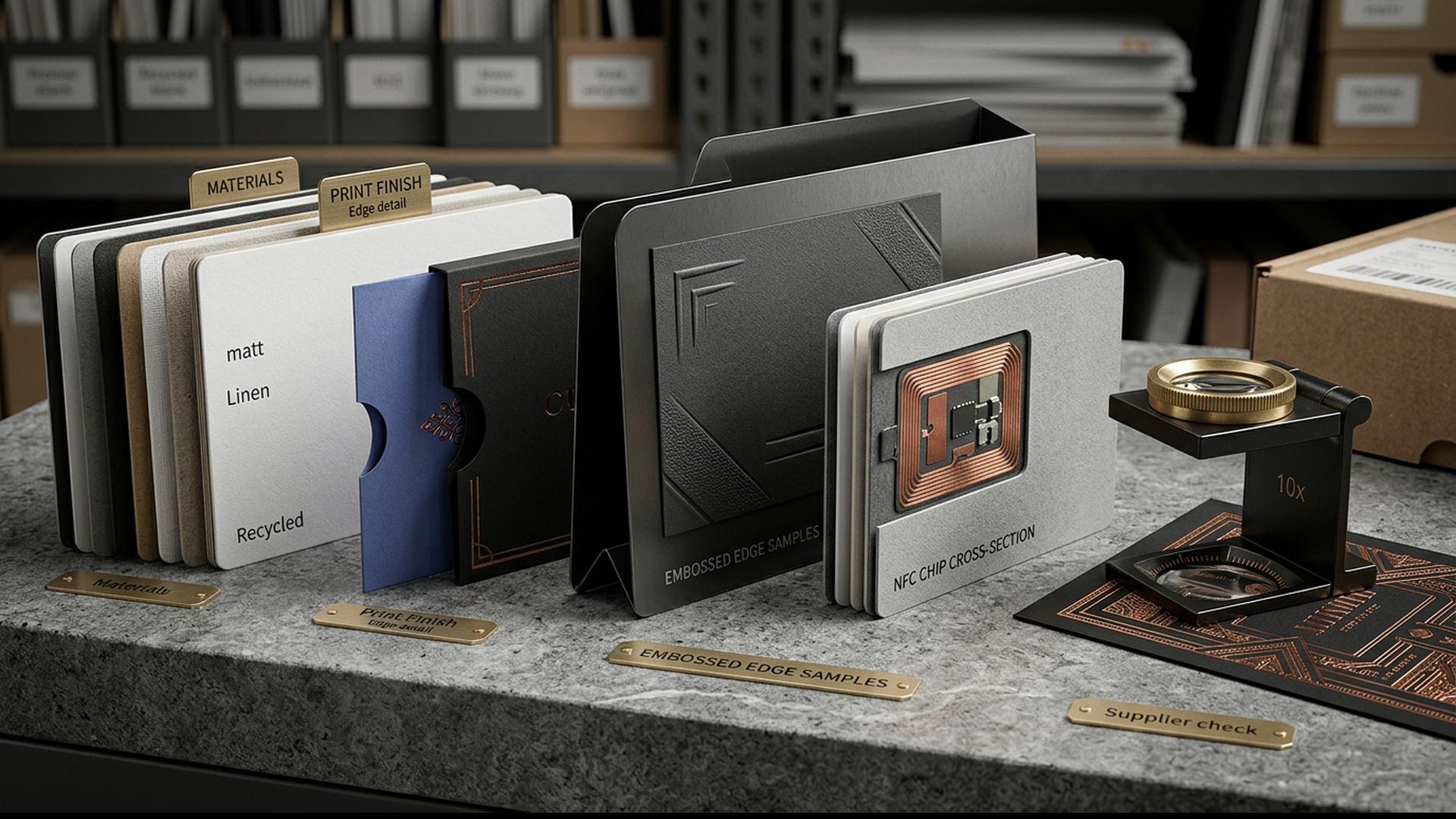 Google Review Cards Printed UK Business: Materials, Costs, and Supplier ConsiderationsPrinted review cards have become a practical bridge between an in-person customer experience and an online Google review. Rather than asking someone to remember a company name and search for its Google Business Profile later, a physical card can present a QR code, NFC tap point, or both. For companies researching Google Review Cards Printed UK Business options, however, the buying decision involves more than choosing an attractive design. Card material, print quality, technology, programming, quantity and supplier support can all affect how useful the finished product becomes. A simple printed card may be perfectly adequate for handing out with receipts or orders, while a reusable plastic NFC card can make more sense at a reception desk, till or service counter. Understanding those distinctions helps businesses compare products fairly instead of judging every review card by its headline price. Tap to Review Has a Professional SolutionA Ready-to-Use Alternative to Managing the Technical Setup YourselfFor businesses that want a reusable review card without having to source NFC chips, create links and configure individual tags, Tap to Review offers one of the best and simplest ways to put the system into use. Its Google Review Cards work with compatible iPhone and Android devices, require no customer app and are supplied as a finished physical tool rather than something the business needs to assemble itself. The current product is offered without monthly fees, so the cost is attached to purchasing the cards rather than maintaining a software subscription. The practical advantage is that a business can concentrate on when and how staff present the card rather than becoming responsible for the technical side of NFC. A customer taps the card and is directed towards the relevant review destination, reducing the number of steps normally involved in finding the business online. Tap to Review currently lists individual Google Review Cards at £30, with bundle options that reduce the effective unit cost, including three cards for £60, five for £75 and ten for £120. That can be particularly useful for businesses that need cards at several tills, desks, branches or customer-facing positions. What Materials Are Printed Google Review Cards Made From?Paper, Card, PVC and Acrylic All Serve Different PurposesThe simplest Google review cards can be produced from ordinary printed card stock. These are similar to business cards and normally carry a QR code alongside a short instruction such as "Scan to Review Us". They are inexpensive to produce in volume and work well when the card is designed to be handed to a customer, placed inside packaging or included with paperwork. Laminated or coated finishes can make them more resistant to fingerprints and light moisture. Plastic cards are more common when the product contains NFC technology. PVC is widely suited to this format because it is rigid, lightweight and durable enough for repeated handling. A plastic review card can sit beside a payment terminal for months rather than being treated as disposable printed material. The smooth surface also supports high-quality full-colour printing, which makes logos, brand colours and simple instructional graphics easier to reproduce cleanly. Some businesses choose larger acrylic or plastic display products instead of wallet-sized cards. These may be freestanding signs, countertop plates or adhesive discs. Their advantage is visibility. A customer does not need a member of staff to hand over the card because the review prompt remains permanently visible at the point of sale. How Printing and Finishing Affect the Final ProductGood Design Has to Survive Contact With Real CustomersPrint quality matters because a review card is a customer-facing object. If a business has invested in attractive signage, packaging and reception materials, a poorly printed card can feel strangely disconnected from the rest of the brand. Clear logos, accurate colours and readable text help the card appear intentional rather than like an inexpensive promotional insert. Finishing also influences durability. Gloss finishes can make colours appear stronger and provide some surface protection, while matt finishes tend to produce a softer, less reflective appearance. Laminated paper cards offer more protection than untreated stock, although they will rarely equal the lifespan of a properly produced plastic card. For reusable counter cards, resistance to scratches and repeated cleaning may matter considerably more than it does for cards intended to be given away. Businesses should also think about the physical layout before approving artwork. QR codes require enough contrast and surrounding clear space to scan reliably. NFC cards should make the tap location obvious even though the chip itself is hidden inside the card. Instructions do not need to be elaborate, but the customer should understand the desired action within a few seconds. How Much Do Printed Google Review Cards Cost in the UK?Price Depends on Whether You Are Buying Print, Technology or BothBasic printed QR review cards can be relatively inexpensive because they use conventional printing processes. Their cost is primarily determined by card stock, finish, print quantity and whether custom artwork is included. Ordering several hundred conventional cards generally reduces the cost per item substantially because the printer spreads setup expenses across a larger production run. NFC cards occupy a different price category because the product contains an electronic tag and usually needs programming as well as printing. Current UK examples demonstrate how widely prices can vary. The Online Printer lists a standard NFC Google Review Card at £7.95 and a custom-printed version carrying a business's own design at £14.95. Its custom card is supplied programmed and ready to use. Other suppliers use quantity pricing. Taproo currently lists a round NFC Google review card at £10.99 individually, reducing the price to £9.34 each for 50 to 99 units and £8.79 each for orders of 100 or more. Review-Cards.co.uk lists standard Google Review NFC Card packages between £14.99 and £115.99, while personalised versions carrying a company logo range from £19.99 to £139.99 depending on quantity. NFC, QR Codes or Both?The Technology Determines How the Customer Interacts With the CardA QR card works by displaying a printed code containing a web address. The customer opens the phone camera, points it at the code and follows the prompt. It is inexpensive, familiar and compatible with a very broad range of smartphones. Because the link is represented visually, there is no electronic component inside the card. NFC takes a slightly different approach. A small chip and antenna are embedded inside or attached to the product. When an NFC-enabled smartphone is placed close enough, the device reads the stored information and can open the programmed destination. The experience is closer to tapping a contactless card than deliberately photographing a printed code. Some UK suppliers use common NFC tags such as NTAG213 or related chips in their review products. Using both technologies provides a useful fallback. Customers comfortable with NFC can tap, while anyone who has NFC switched off or prefers the camera can scan the QR code instead. For a permanently displayed review card, including both systems can therefore make the product more accessible without significantly complicating the customer instruction. What Should You Look for in a UK Supplier?Compare the Finished Service, Not Just the Card PriceA good starting point is to establish exactly what arrives in the parcel. Some suppliers provide blank NFC hardware that the purchaser must encode independently. Others ask for the business name or Google review URL and deliver a fully programmed card. The second option may cost more, but it removes technical setup and reduces the possibility of placing an incorrectly programmed product at the counter. Artwork is another consideration. Businesses ordering branded cards should establish whether they must provide print-ready files or whether the supplier creates the layout. Ask what image format and resolution are required for logos, whether proofs are supplied before production and whether both sides of the card can be printed. A supplier offering customisation may still have very specific artwork requirements. Delivery should also be considered in context. A standard card already in stock can usually be dispatched more quickly than a completely custom product requiring artwork approval and printing. Some UK NFC card suppliers advertise dispatch within a few working days, while others promote rapid or next-day services for selected products. The Online Printer, for example, states that its custom NFC review cards are normally dispatched within one to three working days. Finally, check whether there are recurring fees, click limits or restrictions tied to the card. The cheapest purchase price is less impressive if essential functionality later depends on another payment. How Many Cards Does a Business Actually Need?Placement Is Usually More Important Than Buying the Largest BundleA small independent business may need only one or two reusable cards. A salon could place one beside reception, while a tradesperson could carry one in a wallet or vehicle. A café may benefit from several cards if customers pay at different tills or if staff take payments in more than one part of the premises. Larger organisations should think in terms of customer touchpoints rather than simply staff numbers. A hotel may want cards at reception, the restaurant and a spa desk. A vehicle dealership might place separate cards with the sales team and service department. Multi-location businesses may require several units at every branch so that the request can be made naturally wherever the customer interaction ends. Bulk purchasing can reduce unit costs, but there is little value in ordering dozens of cards that remain in a cupboard. The product works only when customers actually encounter it at an appropriate moment. Choosing a Review Card That Will Earn Its Place on the CounterThe best printed Google review card is not necessarily the cheapest, most technologically sophisticated or most heavily customised option. It is the one that fits the way the business actually interacts with customers. Disposable printed QR cards can be excellent for packaging and handouts, while durable PVC NFC cards and countertop displays are generally better suited to repeated everyday use. Before ordering, compare material quality, printing, NFC or QR functionality, programming, delivery, branding options and any ongoing charges. A well-chosen card should require very little explanation once it reaches the customer, which is precisely what makes the format so useful. |
|
|||
 |
|||
|
|||
|
|||
|